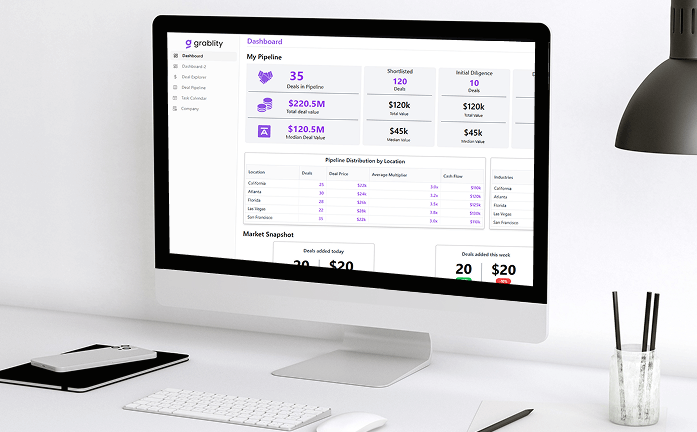
MVP Development

Build Smart. Launch Faster.

MVP development is the fastest, most cost-effective way to validate your idea, test user behavior, and get real feedback—before investing in a full-scale product. 

MVP for Better Decisions

Try, test, and refine without wasting time or money.

Jumping straight to a full-featured build can cost time and money. Starting with an MVP keeps your build lean, focused, and tied to real user needs.

Validate market

Demand before committing to full development

Avoid feature bloat

By focusing on the essentials

Launch 3x faster

Than traditional product development


Collect real user

Feedback to improve early


Save budget

For scaling the right features


Key Advantages of MVP Development

From faster market entry to smarter decisions, MVPs set the foundation for growth.

Rapid Time to Market

Get your product in front of real users within weeks, not months—ideal for beating competitors and testing real-world usage quickly.

Reduced Development Costs

Spend only on features that truly matter. Avoid bloated builds and save resources for future iterations or pivots.

Test Product-Market Fit Early

Validate assumptions before scaling. Discover whether your product solves the right problem for the right audience.

Scalable Codebase for Future Growth

MVPs are built on clean, modular architecture—ensuring that future updates or full-scale versions can grow without rebuilding from scratch.

Informed Decisions Using Real User Data

Track how users interact with your product to guide smarter product decisions based on actual usage, not assumptions.

Early Feedback from Real Users

Engage users early and often. Their feedback helps prioritize features, improve UX, and build something people genuinely want.

MVP Package at a Glance

From strategy to launch, all the essentials to get your idea moving.

Product Scope & Discovery
Gain clarity on the product vision, target users, and core workflows. This stage helps define what to build and why, setting a clear direction for design and development.

Deliverables:
  • User Stories
  • Sitemap
  • UX Personas
Key UI Design
Initial design of the most important user-facing screens. This gives a clear picture of your product’s look and feel before full design begins.

Deliverables:
  • UI Concept
  • Design System
  • Key Screens
Full UI/UX Design
Extension of approved designs to all necessary MVP screens. Ensures a consistent and intuitive experience across the entire product.

Deliverables:
  • Full Product UX/UI
MVP Development
Core features are built based on final designs. Modules are delivered incrementally for review and testing during development.

Deliverables:
  • Codebase
  • Progressive Delivery
  • Ongoing QA
  • Documentation
Testing & QA
Each feature undergoes rigorous functional and user testing to ensure performance, reliability, and usability before launch.

Deliverables:
  • Bug Reports
  • UAT
  • QA Sign-Off
Launch Support
Final testing and deployment preparation to ensure smooth release. Includes monitoring readiness and making necessary adjustments.

Deliverables:
  • Launch Checklist
  • Final Fixes
  • Deployment

MVP Development Across Industries

MVPs are designed for flexibility—ready to serve both B2B and B2C use cases:

SaaS & B2B Platforms

Rapidly test core workflows, dashboards, or subscription models before scaling into a full SaaS product. Ideal for tools solving specific business pain points.

E-commerce & Marketplaces

Validate product-market fit with essential features like catalogs, carts, and payment integration—without overbuilding or overspending.

Mobile-first Startups

From social networking to on-demand apps, MVPs help launch a lean mobile prototype to gather real feedback from early adopters.

Booking & Scheduling Platforms

Launch booking systems, calendars, and user flows to test usability with service providers, vendors, or end-users.

EdTech & Learning Platforms

Quickly test learning modules, course structures, or engagement tools with students and instructors before going full scale.

Internal Business Administration Tools

Custom dashboards and tools tailored for internal use—helping streamline operations, gather insights, and support teams efficiently.

Case Studies

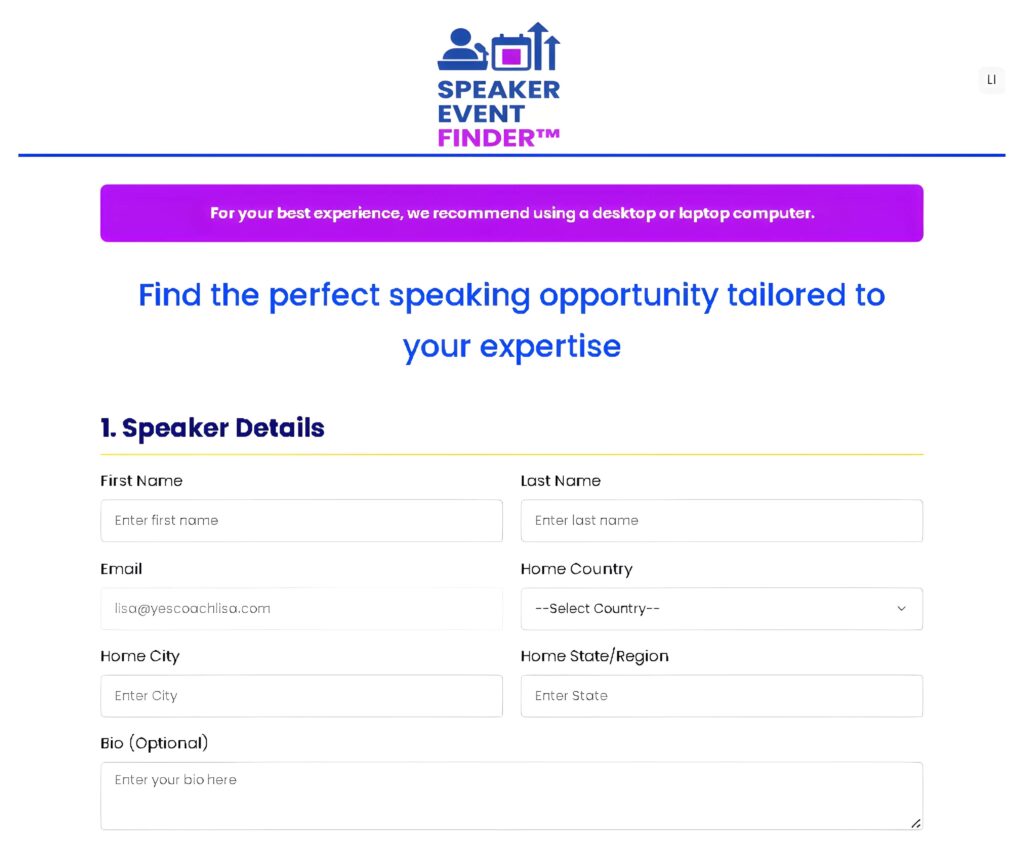
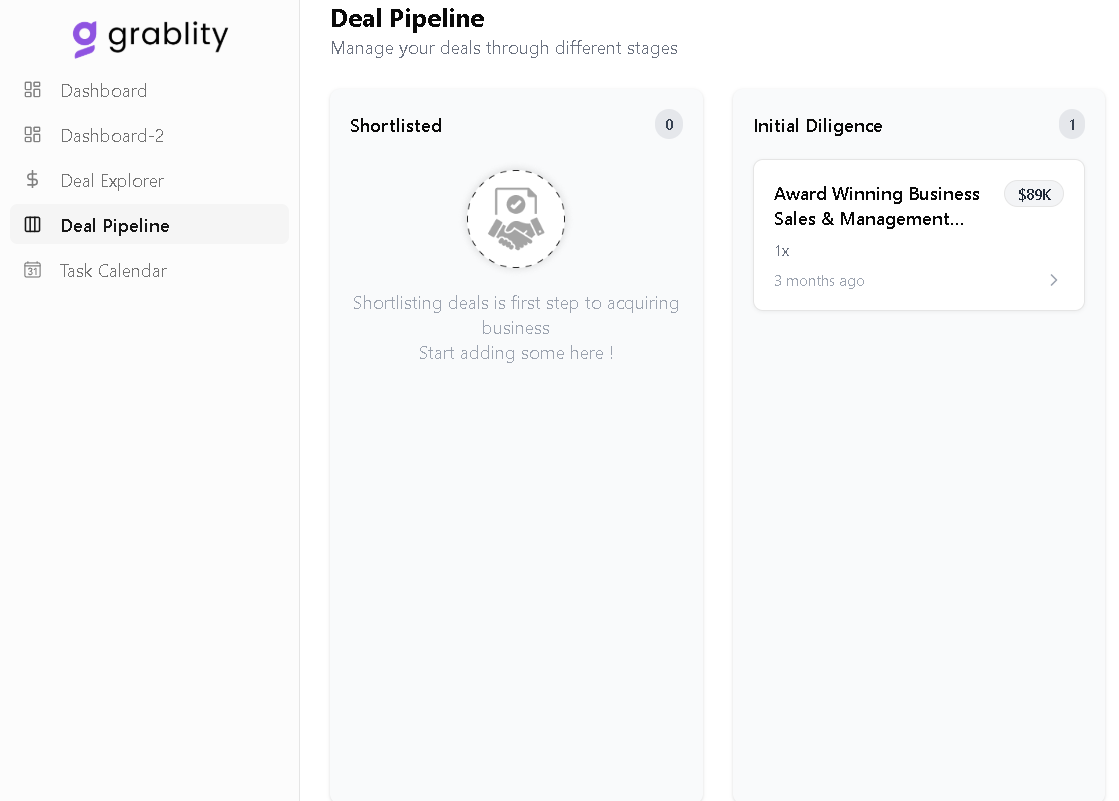
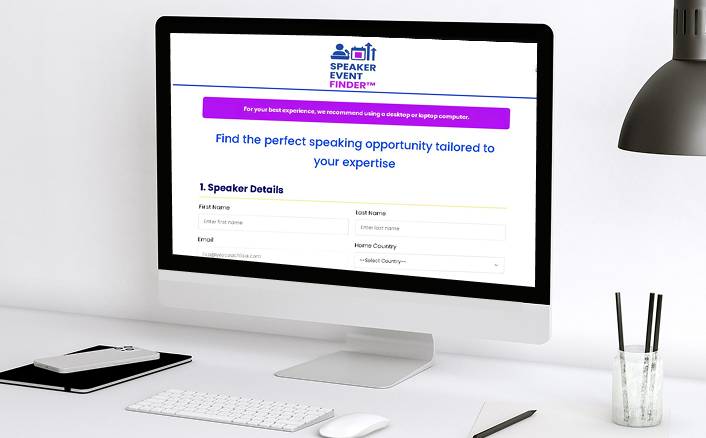
Choosing the Right MVP Partner Matters

We focus on building what’s essential so your idea can grow into something bigger.

Frequently Asked Questions

What exactly is an MVP?

A Minimum Viable Product includes just the core features needed to test your concept and collect user feedback before scaling.

Typically 3–6 weeks, depending on complexity and requirements.

Yes. Full rights and ownership are handed over after completion.

Stacks include React, Next.js, Node.js, Firebase, PostgreSQL, and others, chosen based on your specific needs.

Absolutely. The codebase is modular and built for future growth.

Yes. Post-launch support is available for bug fixes, iterations, and even building the next product phase.

Ready to Build Your MVP?

Get your product in the hands of users faster—with a smart, tested, and scalable MVP strategy.

Let’s talk about your idea!

Let’s Start the Conversation


    Scroll to Top